The main raw material of the weavers was linen and wool, but it was linen that long predominated. Its cultivation was widespread and exports of linen canvas were greatly appreciated. However, today this trade has almost disappeared due to competition from large-scale production in other countries and also the laborious nature of its processing..
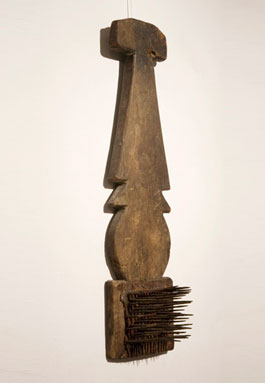
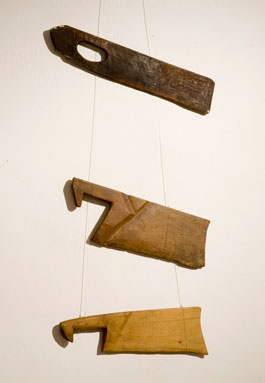
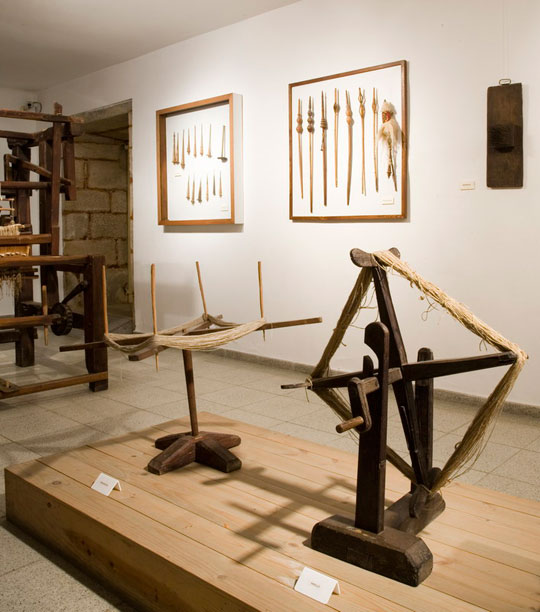
In this process, almost exclusively female, the plant is subjected to several successive steps to prepare the fibre: the seed is separated from the plant and the fibre is soaked in the river for two weeks. It is then dried in the sun, pounded with a mallet, rubbed, and combed until finallyit is spun using a spindle and distaff. This thread is then passed into the hands of the loom weavers who were paid partly in cash and partly in kind with a portion of the finished canvas..
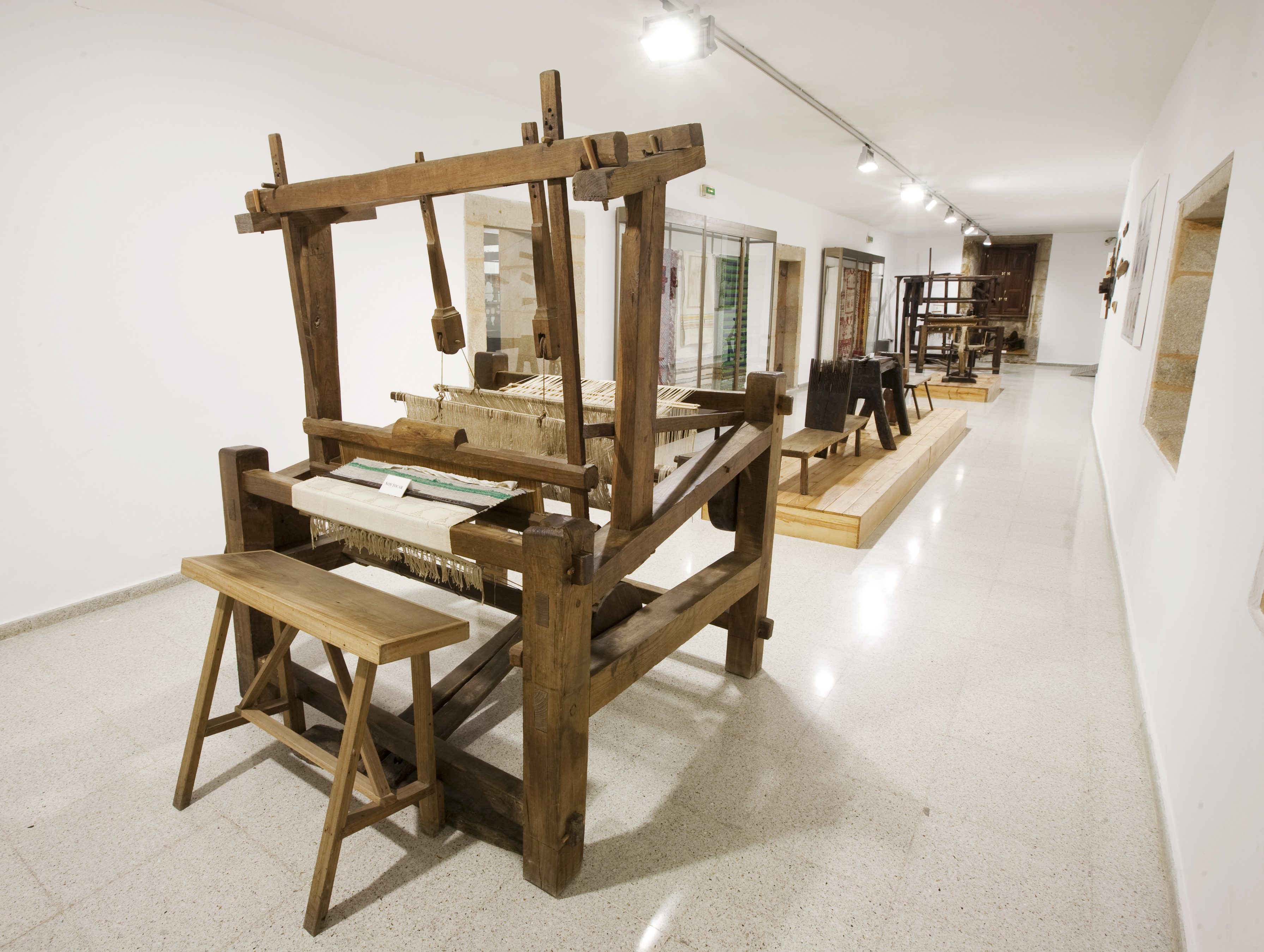
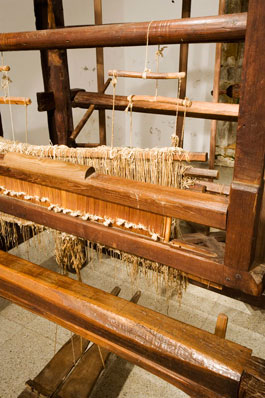
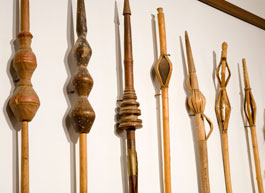
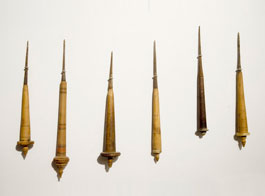
Os oficios (sala II)
From Tuesday to Saturday:
11:00 -18:00 hours
Sundays and holidays
11 - 14 hours
MONDAYS CLOSED
December 24 and 31, January 5: 11 - 14 hours
Annual closure:
January 1(New Year) and
December 25 (Christmas)
Ordinary ticket:
4 euros
Reduced rate:
1,50 euro (over 65, students over 18)
Free entrance:
Museum Members (companion 3 euros), students under 18 and unemployed
Groups of 6 or more:
3 euros per person
Temporary Exhibition visits:
Free
Free Entrance:
Sundays
May 18 (Museum Day)
July 25
October 29 (MPG annivers)
It is possible to arrange group visits by prior appointment


Virtual look at the museum requires installation of :
· QuickTime.  Download